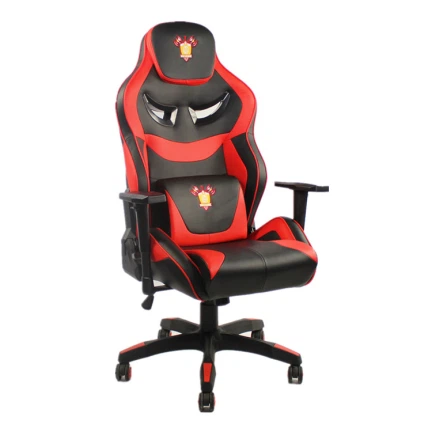

Fabric vs. Leather Leisure Chairs: The Complete Buying Guide for Homeowners, Designers, and Businesses
Meta title: Fabric vs. Leather Leisure Chairs: A Complete Material Buying Guide
Meta description: Choosing between fabric and leather leisure chairs? Compare cost, upkeep, comfort, style, and durability-plus expert advice for outfitting dining nooks, living rooms, and salons.
Introduction
Whether you are furnishing a dining nook, a living room, a home office, or a salon, the material of your leisure chair is one of the most important decisions you will make. It is not just about looks: fabric and leather differ in cost, upkeep, comfort, durability, and how they fit a space. This guide compares the two materials across every dimension that matters, so buyers, designers, and business owners can make a confident, well-informed choice.
What Are Leisure Chairs Made Of?
Fabric leisure chairs use soft, woven materials-cotton, linen, polyester, velvet, or blends. Fabric is affordable, available in nearly unlimited colors and patterns, and feels comfortable immediately. Leather chairs use tanned animal hide, available as genuine top-grain, split leather, or faux leather for a more budget-friendly option. The differences between the two materials extend far beyond appearance, touching every aspect of ownership and use.
Cost: Upfront Price vs. Long-Term Value
Fabric chairs generally carry a lower upfront price-often 20–30% less than a comparable style in leather-which makes them a popular choice for outfitting complete dining sets or multiple rooms on a budget. Leather, however, tends to hold its value better over time and resists wear far longer, making it a stronger investment for mainstay pieces. Faux leather occupies a middle ground: cheaper than genuine leather and easier to clean than some fabrics, though it does not age the same way.
Upkeep and Cleaning
Upkeep is where the two materials truly diverge. Fabric can be demanding in households with kids, pets, or frequent spills-wine, coffee, pet hair, and crumbs can become trapped in the weave, and non-stain-resistant fabrics may require professional cleaning. Modern performance fabrics, however-tightly woven polyester or microfiber-repel spills and stand up to daily life, making them a practical choice for family dining areas. Leather is more forgiving with spills: most messes are removed with a quick wipe of a damp cloth. Its own quirks include the need for conditioning every 6–12 months to prevent drying and cracking, gradual fading in direct sunlight, and visible scuffs on lighter shades-marks that some owners consider character and others consider wear.
Comfort, Climate, and Break-In
Comfort is subjective, but clear trends exist. Fabric is softer and more breathable, allowing air to move through the weave-an advantage in hot climates and during long sitting sessions. It also molds to the body quickly with little break-in required. Leather improves with time, developing creases and indentations that make it feel personalized, much like a favorite pair of jeans. In intense heat, however, leather can feel sticky against the skin, and in cold weather it may feel cooler than fabric. High-quality top-grain leather remains smooth and cozy, so these factors are trade-offs rather than deal-breakers.
Style and Versatility
Fabric excels at versatility: floral prints for cottage dining areas, sleek gray linen for modern apartments, or rich emerald velvet for a glamorous salon look. Many customers intentionally mix materials-pairing fabric dining chairs with a leather accent chair in the living room to add texture. Leather brings a timeless, sophisticated appearance: black and brown leather instantly make a space feel polished and work across minimalist, industrial, and traditional decors. For formal living rooms and home offices, leather is the classic choice; for expressive, personality-driven spaces, fabric offers far more range.
Durability and Lifespan
Durability matters most in high-use settings. Cheap, thin fabric can pill, fray, or tear-especially around pets-while performance fabrics made of polyester or nylon blends can withstand 5–10 years of constant use with minimal wear. Genuine top-grain leather is exceptionally durable, often lasting 15–20 years or more with daily use: it does not pill, resists tearing, and hides scuffs better than fabric hides a hole. Faux leather falls between the two-durable initially, but prone to peeling over time, especially at lower quality or under heavy sun exposure.
Space and Visual Presence
Material also changes how a chair reads in a room. Thick velvet fabric can make a chair feel substantial, while linen feels lighter; in small dining areas, leather's sleek profile takes up less visual space. Leather reflects light, brightening a room, while fabric absorbs it and works well in darker, cozier settings. The right color and style can make either material work in almost any room size.
Common Misconceptions
Three myths deserve correction. First, leather is not inherently high-maintenance: weekly wipe-downs and occasional conditioning are comparable to caring for a stain-resistant fabric chair. Second, fabric is not always cheap-performance fabrics can cost more than faux leather. Third, not all leather is equal: split leather is thinner and less durable than top-grain, so paying more for genuine top-grain is justified when longevity is the goal.

Fabric vs. Leather at a Glance
| Dimension | Fabric | Leather |
|---|---|---|
| Cost | Lower upfront (20–30% less) | Better long-term value, holds value longer |
| Upkeep | Needs stain-resistant/performance options; harder with spills | Easy wipe-down; requires conditioning every 6–12 months |
| Comfort | Softer, breathable, minimal break-in | Molds over time; can feel sticky in heat |
| Style | Versatile, pattern-friendly | Timeless, sleek, decor-flexible |
| Durability | Performance weaves last 5–10 years | Top-grain lasts 15–20+ years |
| Best for | Cozy, customizable, hot climates | Spills, pets, formal spaces, low upkeep |
How to Choose the Right Material
Choose leather if you have kids or pets, spill frequently, or want a low-upkeep piece that is easy to clean-provided you are willing to condition it occasionally. Choose fabric if you prioritize cozy comfort, customizable style, a lower upfront cost, and breathability in warm weather. And remember: you do not have to choose one material for every room. Many buyers pair fabric dining chairs with a leather accent chair in the living room, combining the strengths of both.

Conclusion
There is no "bad" choice between fabric and leather leisure chairs-only the right choice for your lifestyle, budget, and space. Homeowners, designers, and business owners should weigh cost, upkeep, comfort, style, and durability against how each chair will actually be used. With a clear understanding of the trade-offs, you can select leisure chairs that look great and perform reliably for years.
Why Overseas Buyers Should Source Leather Leisure Chairs from ZHEJIANG ZHENXING FURNITURE TECHNOLOGY CO., LTD.
For overseas buyers looking to add leather leisure chairs to their product range, ZHEJIANG ZHENXING FURNITURE TECHNOLOGY CO., LTD. (www.zxtopfurniture.com) offers the direct-factory manufacturing base this guide points to. Based in Anji County, Zhejiang Province-known as "the hometown of bamboo products and office chairs in China"-the company has specialized in chairs and chair components for over 14 years, operating a 3,000-square-meter factory with dedicated in-house design, production, QC, and sales teams. Its product lineup includes dining chairs, bar chairs, office chairs, and gaming chairs-the core leisure and seating categories buyers need-and its OEM and ODM services let overseas clients specify leather upholstery, colors, stitching, and frame styles to match their market positioning, whether that means durable, easy-to-clean genuine top-grain leather for spill-prone family dining or sleek leather seating for formal living rooms and commercial spaces. Because Zhenxing also manufactures the chair components underneath the upholstery-gas springs, bases, casters, and mechanisms-every leather leisure chair benefits from the same engineering and durability standards the article above recommends, while a 3-year warranty protects your order. With monthly shipments of around 50 containers to more than 30 countries across Europe, the USA, the UK, Brazil, Japan, and Korea, the company combines one-stop procurement, OEM/ODM flexibility, verified quality control, and reliable international logistics-making it a low-risk partner for brands and importers adding leather leisure chairs to their catalogs.